

Last words
Nozick, Marx, Ostrom, Korsgaard, ...

Robert Nozick once said “There is room for words on subjects other than last words.” These weren’t themselves last words: they appear in the preface to 1974’s Anarchy, State, and Utopia (xii), which ends with a two-word sentence: “Or less.”
Here are more last words. (See if you can guess a few sources.)
…the deepest wish that I could feel / and all my will, were turning with the love / That moves the sun and all the stars above.
Amen.
For such truth as opposeth no man’s profit nor pleasure is to all men welcome.
And thus the most abstract speculations concerning human nature, however cold and unentertaining, become subservient to practical morality; and may render this latter science more correct in its precepts, and more persuasive in its exhortations.
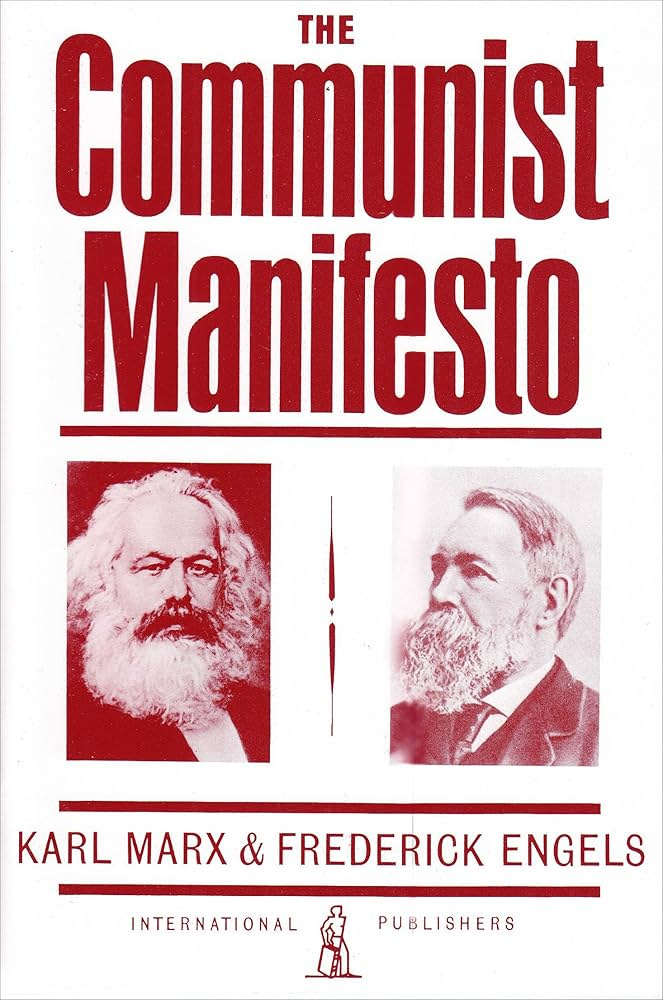
Working Men of All Countries, Unite!
…the universal and unconditional emancipation of my entire race.
…that union with the universe which constitutes its highest good.
…the supreme moral value of the sense of duty.
…diversity.
…although the realm of rights does not exhaust all of morality, it is deep inside it, imposing constraints on the contours of all the rest.
…both laboratory and field settings.
…perhaps authentic.
For it is the most familiar fact of human life that the world contains entities that can tell us what to do and make us do it. They are people, and the other animals.
…relatively less violence.
…Streets of Gold.
This was obvious common sense when FDR said it eight decades ago. It remains obvious common sense today.
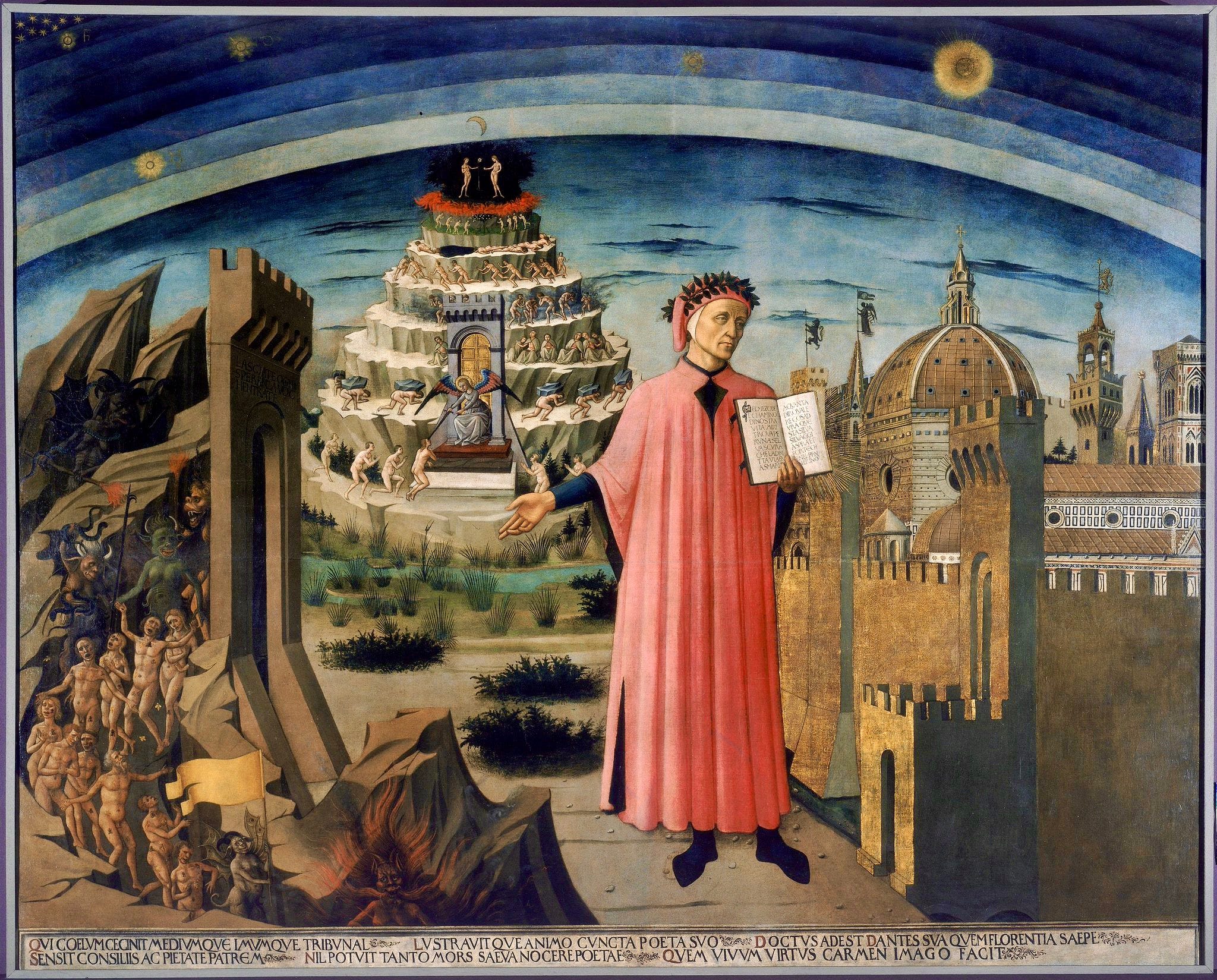
—Dante (1320), The Divine Comedy.
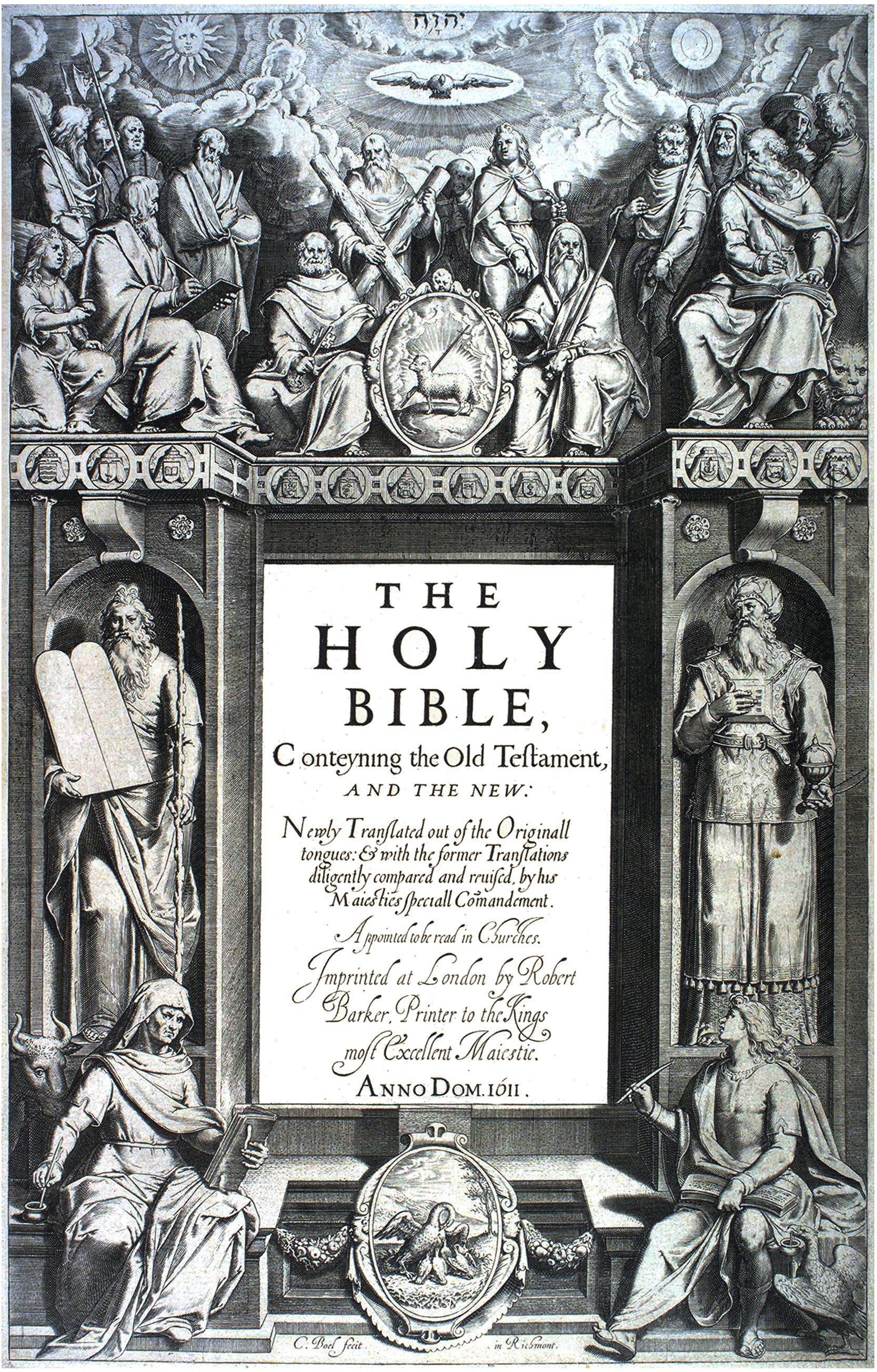
—The Bible, King James Version (1611).
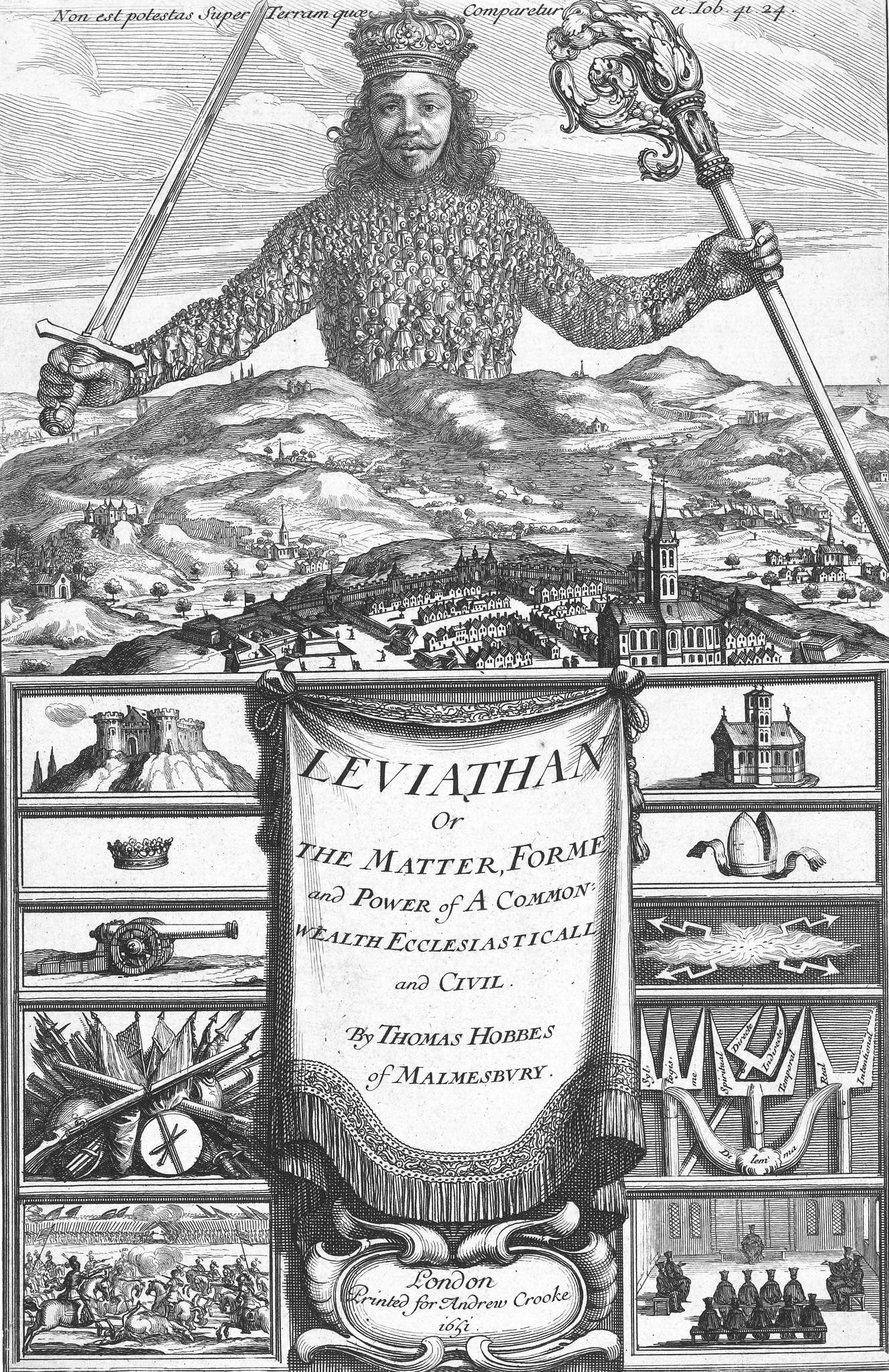
—Thomas Hobbes (1651), Leviathan.
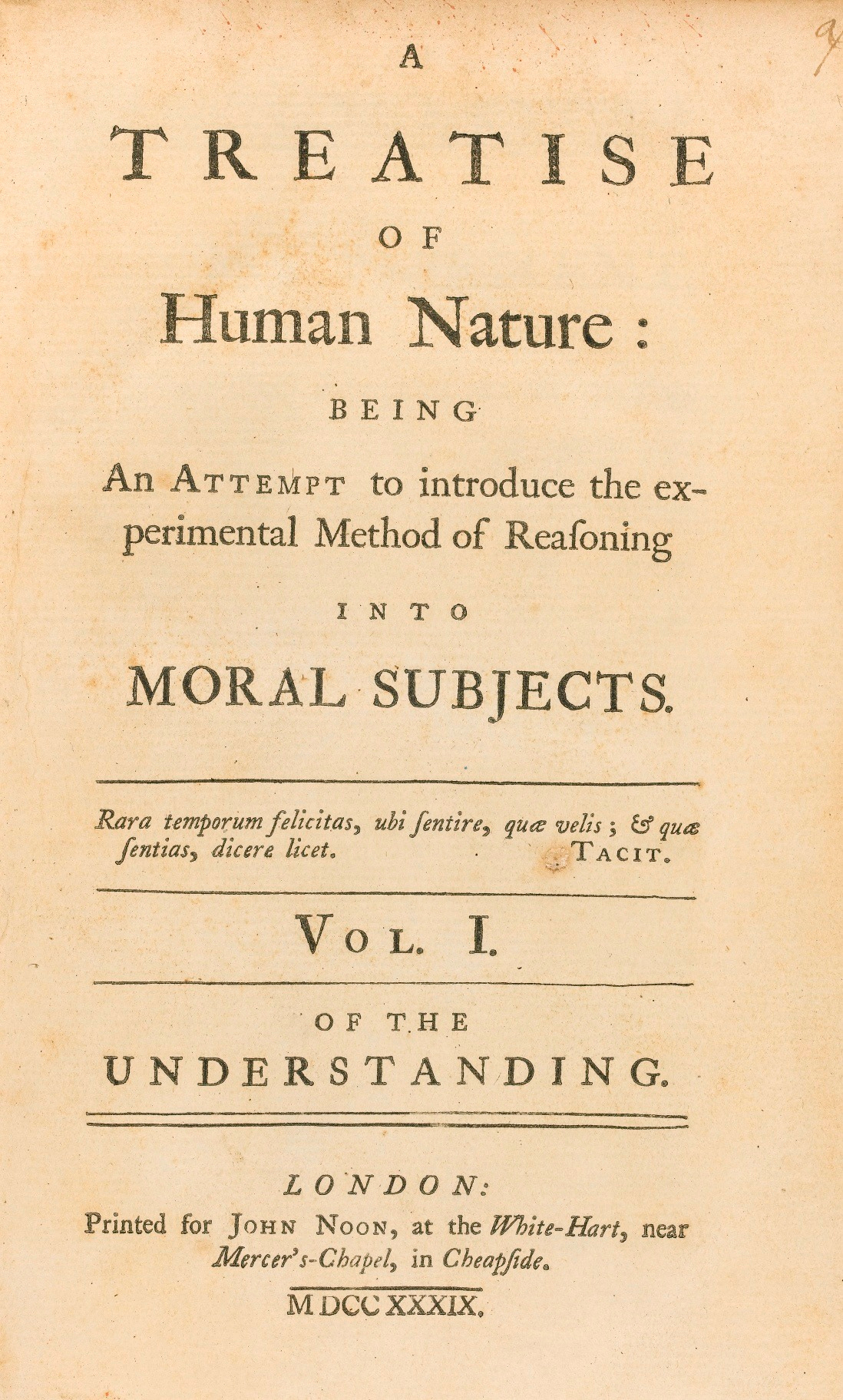
—David Hume (1739), A Treatise of Human Nature.
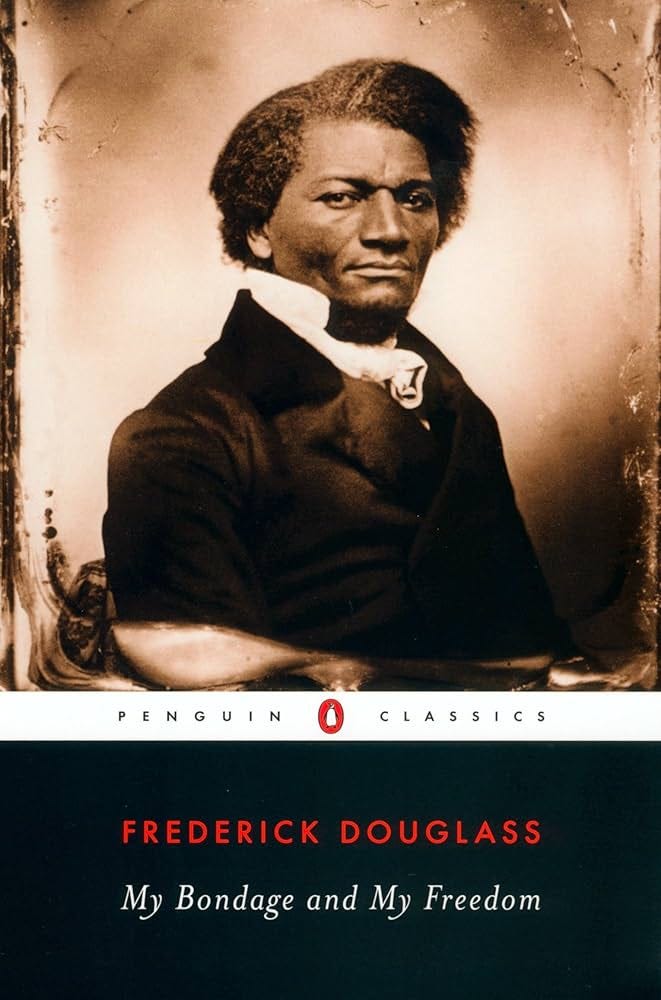
—Frederick Douglass (1855), My Bondage and My Freedom.
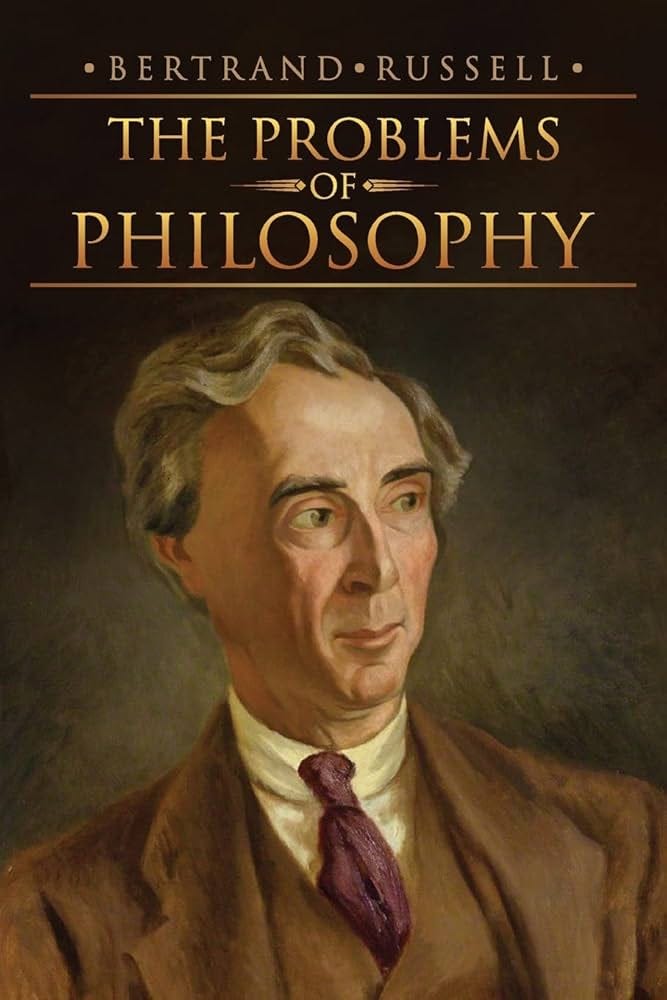
—Bertrand Russell (1912), The Problems of Philosophy.
—W. D. Ross (1930), The Right and the Good.
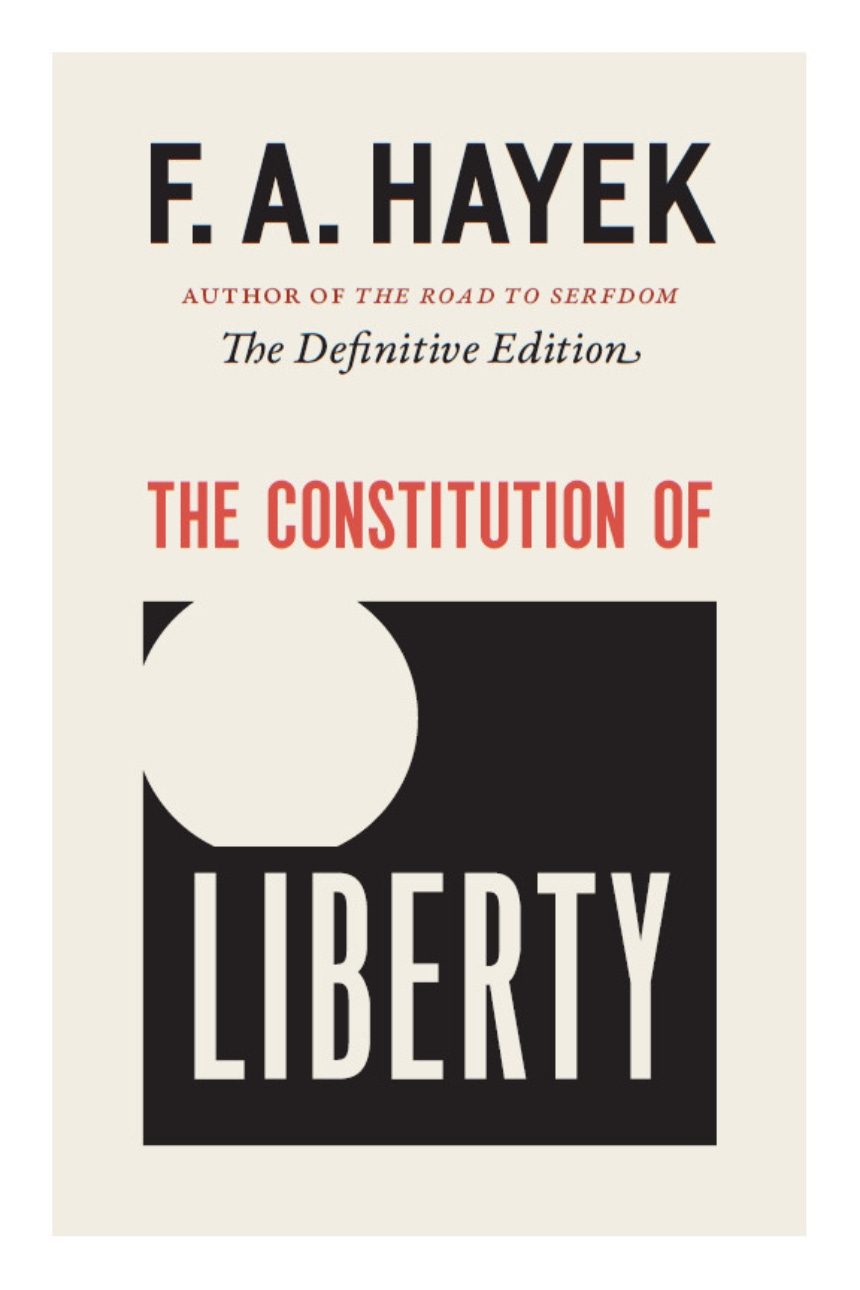
—F.H. Hayek (1960), The Constitution of Liberty.
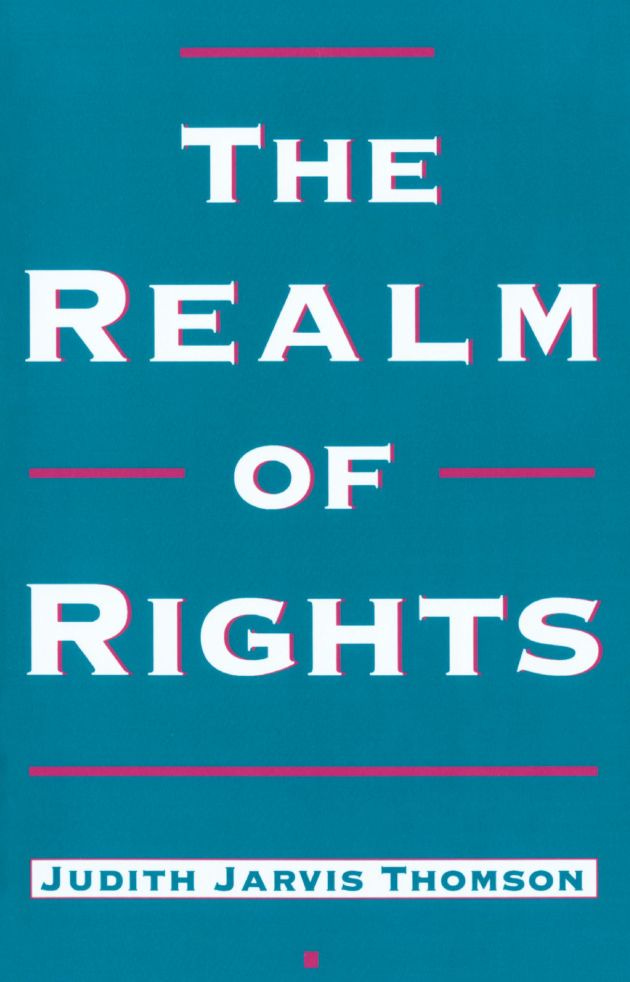
—Judith Jarvis Thomson (1990), The Realm of Rights.
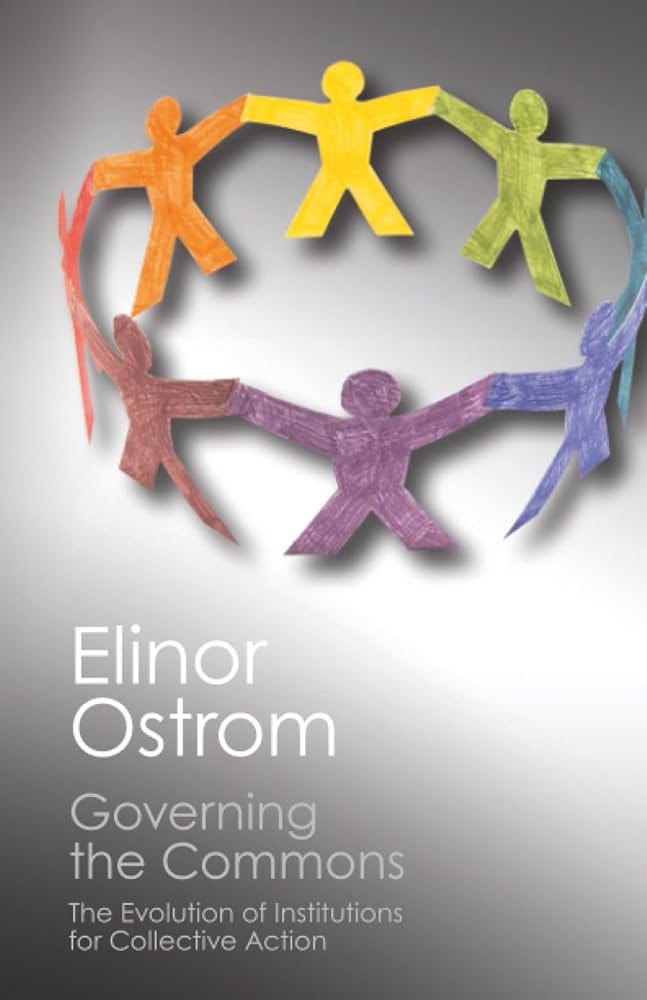
—Elinor Ostrom (1990), Governing the Commons.
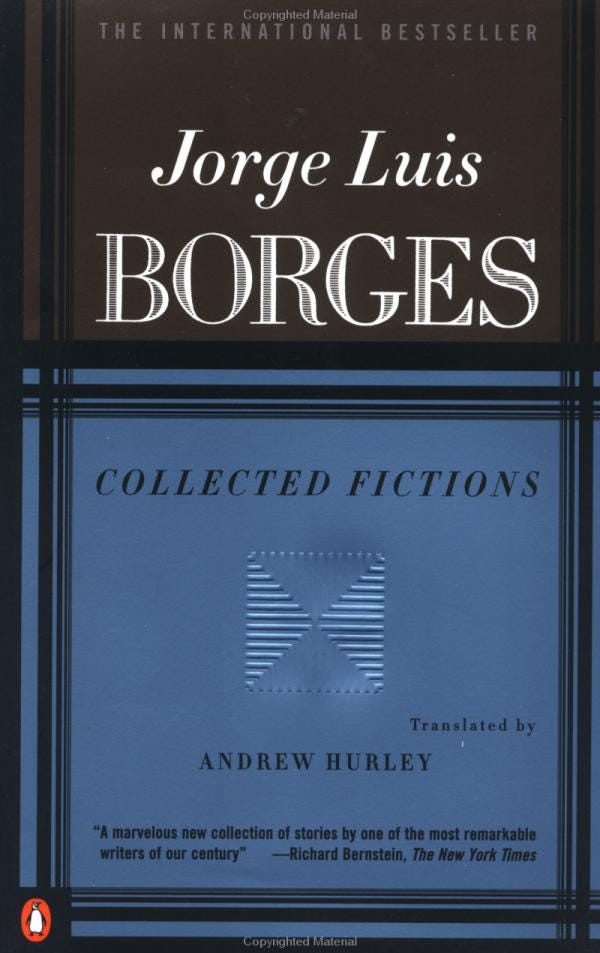
—Jorge Luis Borges (1998), Collected Fictions, trans. Andrew Hurley.
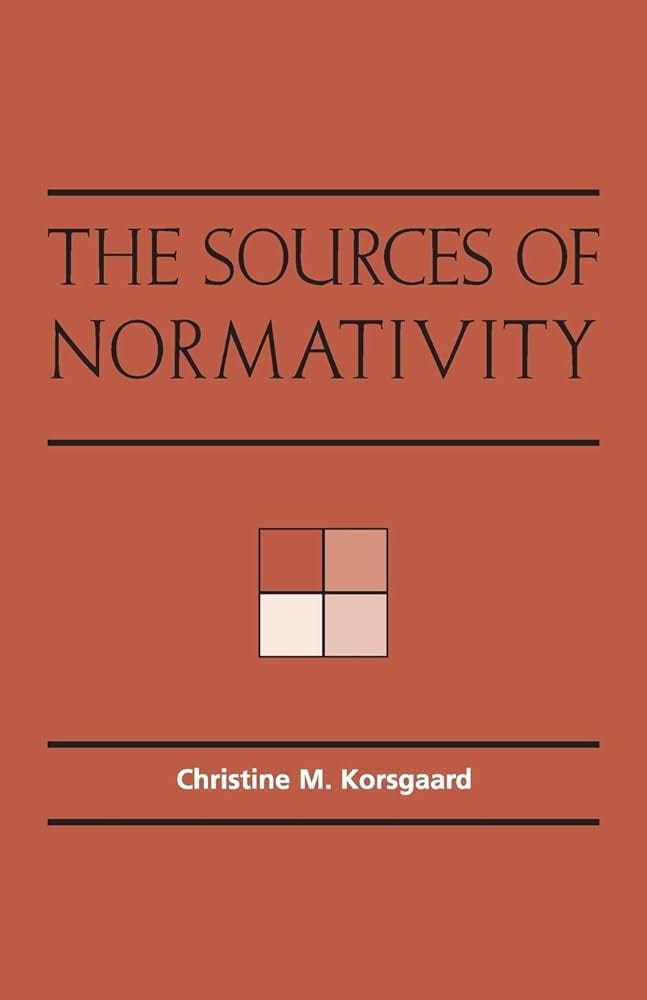
—Christine M. Korsgaard (1998), The Sources of Normativity. (This is the last line before the commentaries.)
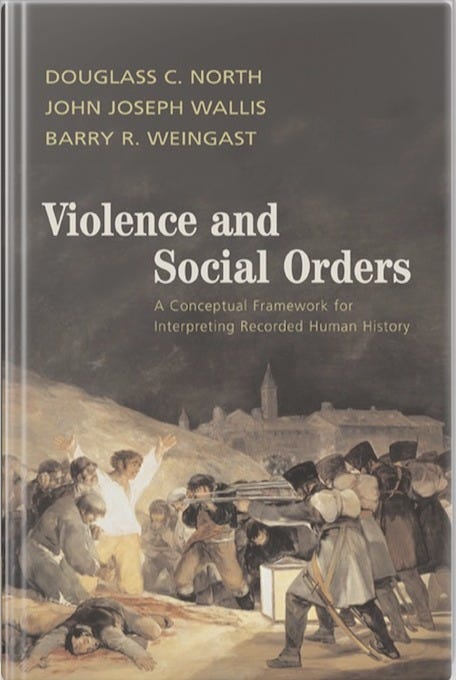
Douglass C. North, John Joseph Wallis, Barry R. Weingast (2012) [orig. 2009], Violence and Social Orders. (This is from a postscript added in a later edition.)
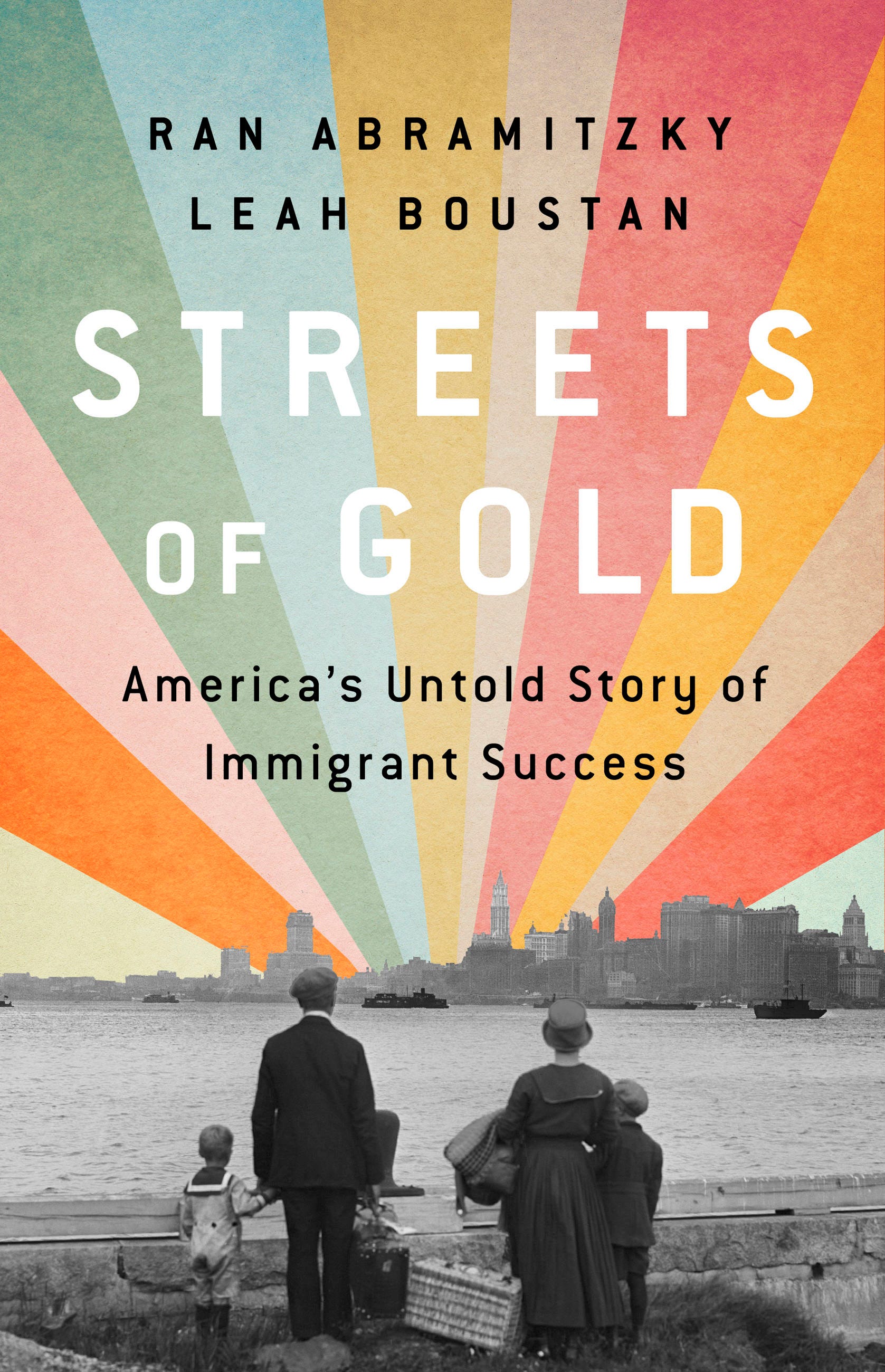
—Ran Abramitzky and Leah Boustan (2022), Streets of Gold.
![After the Fall: From the End of History to the Crisis of Democracy, How Politicians Broke Our World [eBook]](https://substackcdn.com/image/fetch/$s_!mhD8!,f_auto,q_auto:good,fl_progressive:steep/https%3A%2F%2Fsubstack-post-media.s3.amazonaws.com%2Fpublic%2Fimages%2F453f81d3-4d6b-4bc5-9524-02c63e6d13bf_1677x2600.jpeg "After the Fall: From the End of History to the Crisis of Democracy, How Politicians Broke Our World [eBook]")
—Ian Shapiro (2026), After the Fall.
Let me know if I left out your favorites:
"That would seem to be a good place to stop." -Language of Thought (1975), Jerry Fodor
Getting way too old for pop quizzes, but this was fun! (No, I didn't even try, lol.)